
Finding the best time to visit Surfers Paradise
The best time to visit Surfers Paradise starts with the experience you want to build your visit around. Whale watching follows a migration season, natural glow worms tend to shine more strongly in warmer, wetter months, and beach plans depend on the conditions that day. Choose the activity that matters most before choosing a month. That gives you a clearer decision than treating the whole Gold Coast as having one ideal season.
Keep the seasonal calendar separate from the daily forecast. A month can suit an activity without every departure running or every beach day being suitable for swimming. For the coastal temperature and rainfall figures, use the monthly weather guide. This page focuses on what the seasons mean for your plans, rather than repeating a climate table.
Our picks: best time to visit
Our take: Meet at the white trailer with CEA signage; sightings are not guaranteed.
Hand-picked tours, booked through Viator. Prices are indicative starting prices in Australian dollars (as of October 2026). Tap a tour for live availability and the current price in your currency.
A seasonal whale watching outing
This whale watching option includes commentary by a marine naturalist and spray jackets; match your date to the available seasonal departures.
Whales: plan around the migration
A local whale watching operator describes its Gold Coast season as late May to early November, following migrating humpback whales. Treat that as an operator-specific window, rather than a timetable shared by every boat. In particular, early November is a seasonal edge, not a promise that an excursion will still run on your chosen date. Pick the actual departure before building other commitments around it.
The whale watching option featured here includes commentary by a marine naturalist and spray jackets. Its meeting instructions refer to a white trailer; use the full meeting directions supplied with your booking to plan the journey. A wildlife outing takes you onto the ocean, where wind and sea conditions matter. It serves a different purpose from sightseeing along the city's waterways, and animal encounters remain part of the natural setting rather than a scheduled performance.
Read the whale watching guide for the different departures and the distinction between the ocean and river trips. If this is the main reason for your visit, leave room in your plans to respond to the weather instead of putting the excursion immediately before an onward connection.
Glow worms: warmer, wetter months
At Natural Bridge, QPWS describes glow worms as visible throughout the year, with a weaker display in winter. The warmer, wetter months of December to March often bring a stronger display. These are larvae of the fly Arachnocampa flava. The seasonal pattern concerns their natural light display; it is not an opening calendar for a particular tour or a promise about what you will see.
Choose the destination as carefully as the month. A night visit to Natural Bridge, an evening rainforest outing at Tamborine Mountain and a managed daytime cave attraction are different experiences. The glow worm tour guide explains those choices. For a natural night visit, bring light for the path, keep it away from the animals, and keep smoke and insect repellent away from them, following QPWS guidance reviewed on 5 November 2026.
Beach days and rainforest walks
A beach-focused visit needs flexibility within the day as well as within the season. The local swimming flags and lifeguards' advice take priority over the month you have selected. Under the SLSQ guidance reviewed on 5 November 2026, swim between red and yellow flags at patrolled beaches and stay out when red flags are displayed. The beach guide explains patrol schedules and the difference between swimming and surfcraft areas.
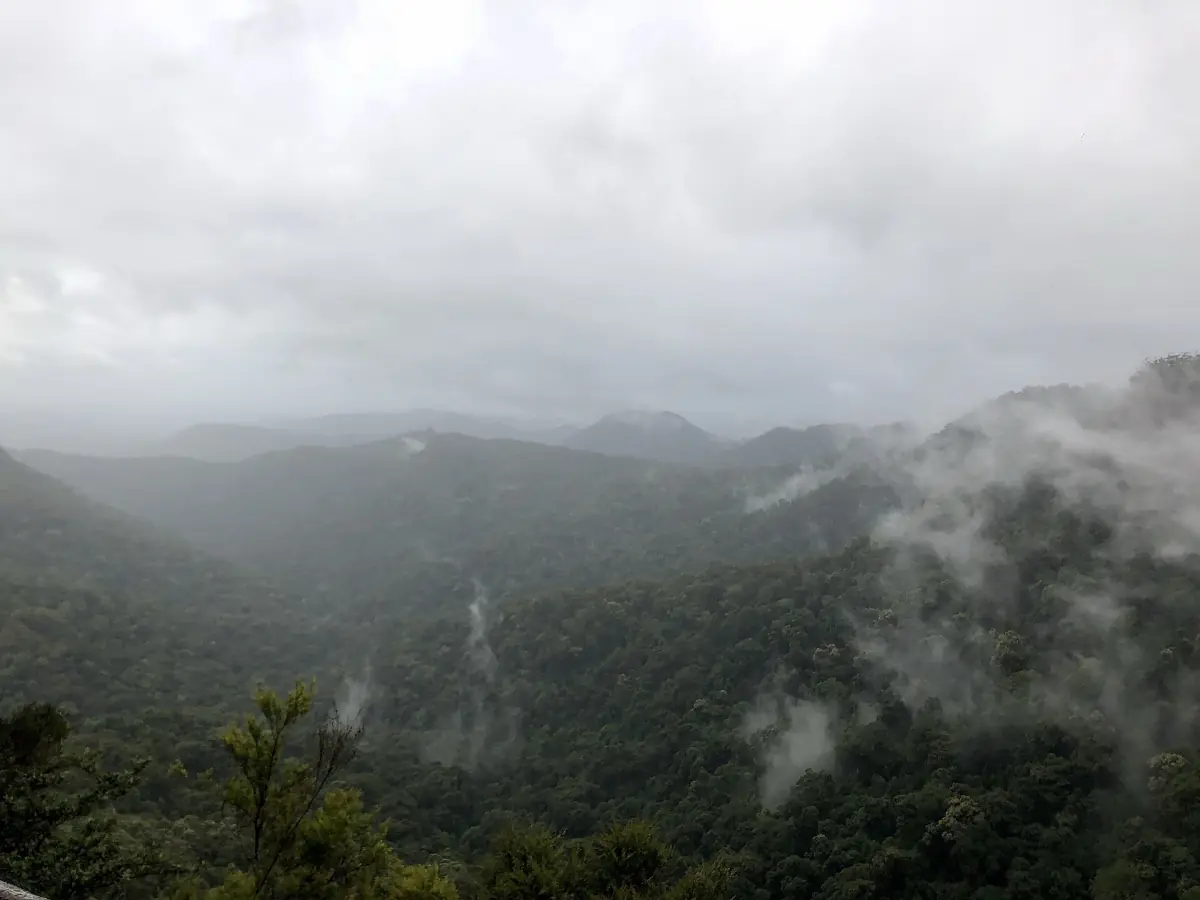
For rainforest walking, make the route decision close to the outing. QPWS warns that heavy rain and wind can affect access, and flooded creeks should not be crossed. Springbrook's plateau and Natural Bridge have separate approaches, so choose your intended section before arranging transport. Use the Springbrook guide for route access and dated restrictions rather than assuming a season makes every circuit available.
Australia's official tropical cyclone season runs from November to April, as described in BoM guidance updated in October 2025. Tropical lows can also bring heavy rain and large waves away from the centre of a system. For planning, that means keeping current warnings in view and having a different activity in mind when conditions change. It does not establish a yearly local storm schedule.
Questions about choosing your dates
When should I come for whales?
A local operator gives late May to early November for its Gold Coast whale season. Choose an available departure within the relevant operator's calendar; sightings and individual operating days vary.
Are glow worms only visible in summer?
QPWS describes year-round visibility at Natural Bridge, weaker in winter and often stronger from December to March. Natural conditions still affect the display.
Where can I compare monthly rain?
The weather page gives Gold Coast Seaway's monthly climate statistics, their observation periods and their limits. Use the short-range forecast separately for your actual outing.